Art Moves to the Rhythms of Nature
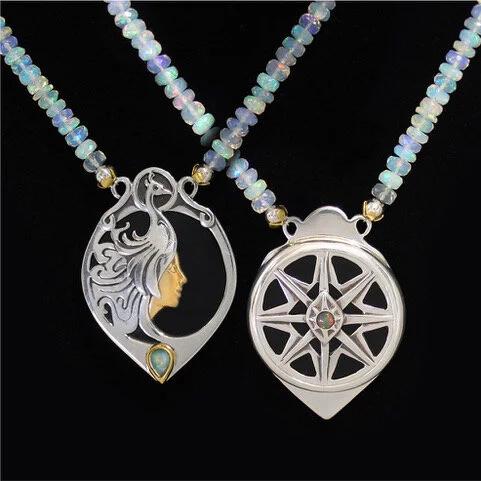
After graduating with a degree in sculpture, Heyoka left his native California to move to a remote Northwest Indian reservation. For over twenty years, he lived in this wilderness while exploring his Native American heritage. Living close to the natural rhythms of nature, Heyoka began to observe the world from a different perspective: he discovered the way his ancient ancestors touched the Earth and that, unlike his contemporary art training in college, many of these ancestors created art that captured the radiance of the transcendent powers within their mythology.
In discovering sacred art and Native American ceremonies, an entire world opened for Heyoka. He felt a new passion for his work and, in order to pass on this gift, he began teaching apprentices in the almost forgotten way of mentoring. He realized that our culture had lost an important part of a young person’s journey when mentoring was replaced by our current school system. This discovery led him to write his book Sacred Art, Sacred Earth so he could relate his own personal journey from contemporary art student into the ancient tradition of the sacred artist. Eventually, this led Heyoka to create a documentary film that tells his life story while showing him making jewelry and sculpture, as well as doing ceremony.
Sacred Art that Celebrates the Mystical World
What we know about our ancient ancestors was learned from the sacred art that celebrated their mystical world. Heyoka honors science for its many wondrous gifts to humankind, yet believes that when science took away many of our necessary traditional myths, it left a devastating void in our contemporary cultures. Heyoka feels that whether these myths are seen as a magical relationship with the mysteries of life or as a means to heal our psychological conflicts, they serve a very important aspect of our humanity.
As he embraced many of the mythical treasures of the indigenous people of the land that he was born into, he became involved in the Sundance, Vision Quest, Sweat Lodge, and Sacred Pipe ceremonies. This led Heyoka to write a novel about what became his primary myth, Eyes of Wisdom: The Myth of White Buffalo Woman. This story sprung from the Native American goddess archetype in the area of the country where he now lives.
The Wisdom of Nature
With his other two books in the trilogy, Heyoka weaves together mythical tales of the New World and the Old World in the continuation of the White Buffalo Woman story. In these stories, he passes on what he considers to be the important wisdom of his elders, many of whom now reside in the World of Spirit. He also passes on the wisdom of his other primary teacher, Nature. When he is not creating sacred art, writing books, or walking in the wilderness, Heyoka spends much of his year learning, teaching, and doing ceremonies throughout the world.
The Museum
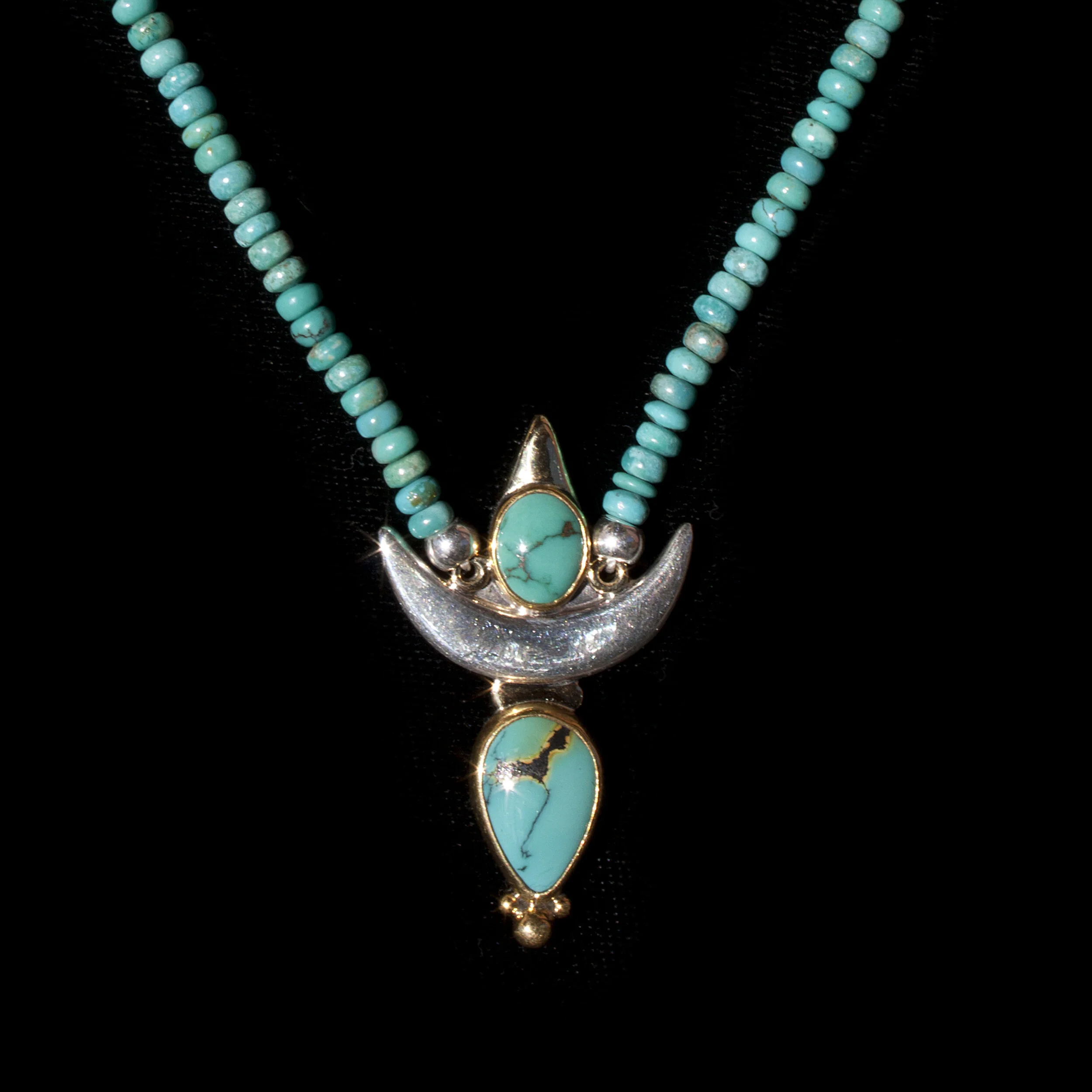
The Gallery and Museum features 50 years of Heyoka’s sculpture, jewelry, architecture, musical instruments and books.
Mailing: P O Box 70, Stevensville, MT 59870
725 North Burnt Fork Rd., Stevensville, MT 59870
By appointment only, 406 777 7006
$30 admission.
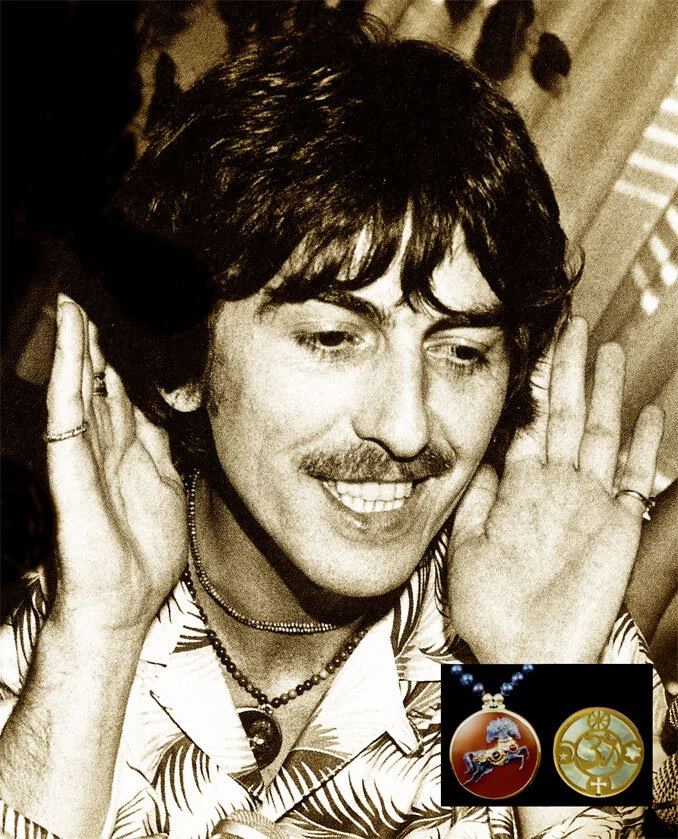
Some of the many notable collectors that have been attracted to this power in his work include Cher, Neil Diamond, Bob Dylan, Michael Jackson, George Harrison, and Joni Mitchell. His works also appeared in MGM, Orion, and Paramount films.